
Mold Exposure in Dogs: Hidden Risks in Apartments
Mold is one of the most overlooked indoor hazards for dogs—especially in apartments, older buildings, and damp urban environments. While some mold exposure is harmless, chronic or hidden mold can cause serious health issues in dogs, often before owners realize there’s a problem.
If you live in a city apartment or older home, here’s what every dog owner should know.
Can Mold Make Dogs Sick?
Yes. Dogs are often more sensitive to mold than humans because:
They’re closer to the floor where spores settle
They groom themselves, ingesting spores
Their lungs are smaller and more reactive
Mold exposure can trigger respiratory issues, allergies, digestive problems, and even neurological symptoms in severe cases.
Signs of Mold Exposure in Dogs
Symptoms can be subtle and mistaken for seasonal allergies or anxiety.
Common warning signs include:
Chronic coughing or sneezing
Watery eyes or nasal discharge
Excessive licking or paw chewing
Lethargy or behavior changes
Vomiting or diarrhea
Loss of appetite
Seek veterinary care immediately if symptoms are sudden, severe, or worsening.
Where Mold Hides in Apartments & Homes
Mold doesn’t always look dramatic. In many apartments, it’s invisible.
Common Problem Areas:
Bathrooms (under sinks, behind toilets, grout)
Kitchens (under dishwashers, leaking pipes)
HVAC vents and window AC units
Basements and crawl spaces
Behind baseboards or drywall
Around windows and poorly sealed frames
Bathrooms are one of the most common mold hotspots for urban dog owners.
Is Mold More Dangerous for Some Dogs?
Yes—certain dogs are at higher risk:
Puppies and senior dogs
Dogs with asthma or allergies
Short-nosed breeds (French Bulldogs, Pugs, Boston Terriers)
Immunocompromised dogs
These dogs may react faster and more severely to mold exposure.
What To Do If You Suspect Mold
1. Limit exposure immediately
Keep your dog out of the affected area.
2. Document visible mold
Photos help if you’re renting and need landlord remediation.3. Schedule a vet visit
Especially if symptoms persist beyond 24–48 hours.4. Address moisture issues
Mold won’t go away without fixing leaks, humidity, or ventilation.
How to Reduce Mold Risk for Dogs
Prevention matters—especially in apartments.
Simple steps that help:
Use bathroom exhaust fans consistently
Run a dehumidifier in damp areas
Clean grout and seals regularly
Avoid carpet in moisture-prone rooms
Wash dog beds and blankets frequently
Use dog-safe, non-toxic cleaning products
Never use bleach-heavy cleaners in enclosed spaces with pets present.
When Mold Becomes a Legal or Safety Issue
If you rent and mold keeps returning:
Request professional remediation in writing
Ask for air-quality testing if symptoms persist
Know that chronic mold can violate habitability laws in many states
Your dog’s health is a valid reason to escalate concerns.
Final Thoughts: Mold Is a Silent Dog Safety Risk
Mold exposure isn’t always obvious—but it’s one of the most common hidden hazards for urban dogs. Staying alert to symptoms and moisture issues can prevent long-term health problems and unnecessary vet bills.
A clean, dry home isn’t just more comfortable—it’s safer for your dog.
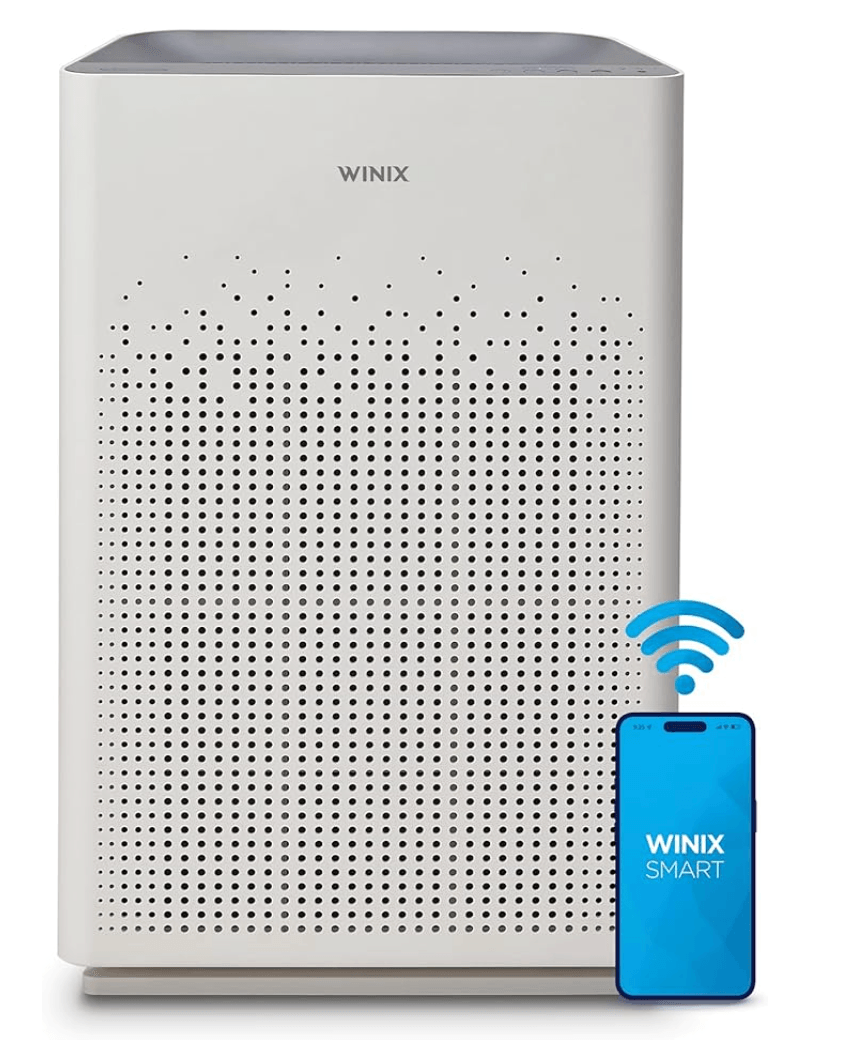
WINIX Air Purifier
Air quality monitor
Captures airborne allergens including pollen, dust, smoke, and pet dander
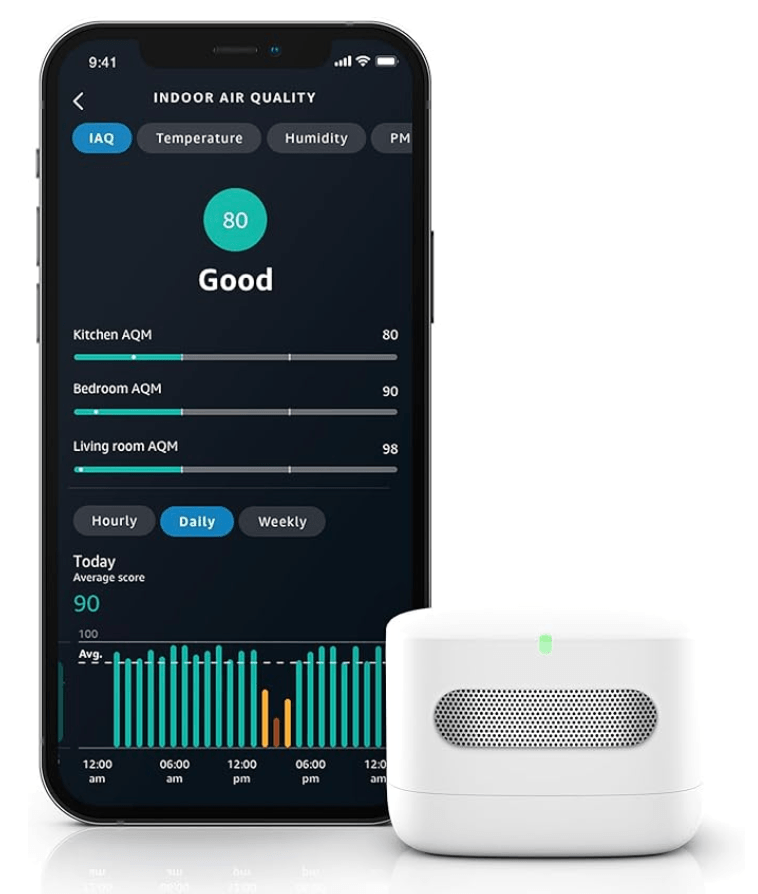
Amazon Smart Air Quality Monitor
Detects harmful chemicals
Detects conditions that promote mold growth
You Might Also Like
Quick links
Categories
© 2025 UrbanPupSafety. All rights reserved.