
Safe Tempatures To Walk Your Dog In Winter
Cold weather doesn’t mean you have to pause every walk, but winter definitely changes the rules. City dogs deal with freezing sidewalks, salted streets, and sharp wind tunnels that can make any temperature feel colder than the weather app suggests. This guide breaks down the safe temperature to walk your dog in winter—without generic advice—and gives you clear signs to watch for so you know when it’s time to cut the walk short.
What Counts as a “Safe” Winter Temperature for Dogs?
Dogs experience cold differently depending on their fur type, size, age, and health. Instead of strict cutoffs, think in terms of comfort windows.
45°F and above (7°C+) — Normal walk weather
Most dogs handle this easily. Small dogs might still prefer a light sweater, especially in windy city areas.
35–45°F (1–7°C) — Getting chilly
Some dogs will start to feel the temperature change here. Keep an eye on pups with short coats or low body fat.
20–35°F (-6 to 1°C) — Cold enough for shorter outings
This is where many city dogs begin to struggle, especially when surrounded by concrete and wind. Coats and quicker walks help.
10–20°F (-12 to -6°C) — Quick-break temperatures
These temps are fine for a bathroom run, but not long exercise sessions. Even hardy dogs may get cold fast.
Below 10°F (-12°C) — Unsafe for most dogs
Risk of frostbite becomes real. Keep outside time extremely limited and switch to indoor exercise.
How to Tell If Your Dog Is Getting Too Cold
Every dog reacts differently, but these signals usually show discomfort:
Rapid paw lifting or hesitation to continue walking
Shivering, trembling, or hunching
Trying to turn toward home
Slowing down instead of exploring
Ice or packed snow stuck between paw pads
If you notice any of these, shorten the route and warm up indoors.
Winter Walking Tips for City Dogs
Layer Up Thoughtfully
Choose coats or sweaters that cover the chest and fit snugly so cold wind doesn’t sneak in.
Paw Protection Matters
Salt, ice, and frozen sidewalks can irritate paws. Booties help, but a protective paw balm is great when your dog refuses footwear.
Keep the Pace Up
Standing still at long crosswalks makes dogs lose heat quickly. Plan routes with fewer long waits when possible.
Rinse Paws After Walks
A quick wipe removes salt and chemicals that can dry out paw pads. It also prevents licking after exposure to de-icers.
Indoor Exercise Ideas for Freezing Days
If temperatures drop too low, your dog can still burn energy:
Snuffle mats or food puzzles
Practicing new tricks (short sessions burn mental energy fast)
Indoor fetch with a soft toy
Tug games for controlled engagement
Short hallway sprints (if safe and allowed)
Indoor activities are perfect backups when it’s too cold to venture far.
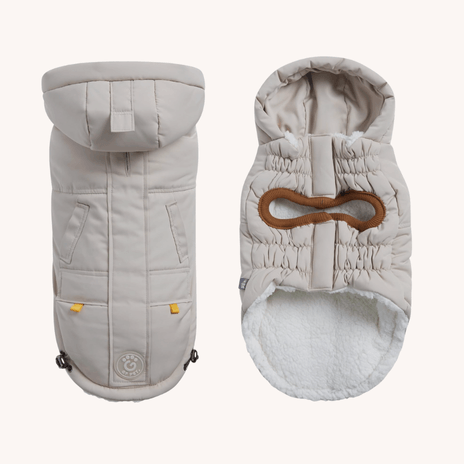
GF Pet Parka
Elastic around the edges for a secure fit
Water-repellent, comfortable and lined interior
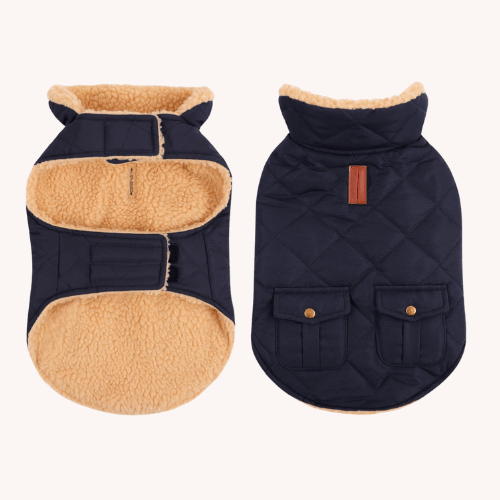
Warm Puffer Dog Jacket
Cold weather comfort
Easy to attach leash
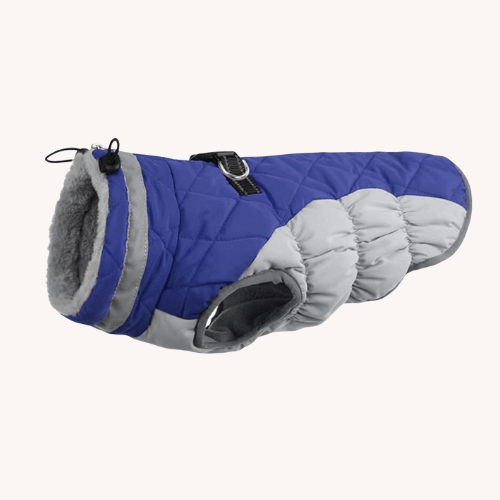
Waterproof Dog Jacket, Built in Harness
Adjustable harness and neck
Water and snow resistant; reflective
Related Content:
Learn how to prep for icy sidewalks in Winter City Walks
Get essential gear tips in Dog Collars & Harnesses for City Walking
For outings beyond winter, check out Taking Your Dog Out in Public in the City
You Might Also Like
Quick links
Categories
© 2025 UrbanPupSafety. All rights reserved.